FX Volatility Sags Below August Norm as Traders Seek Fed Signals
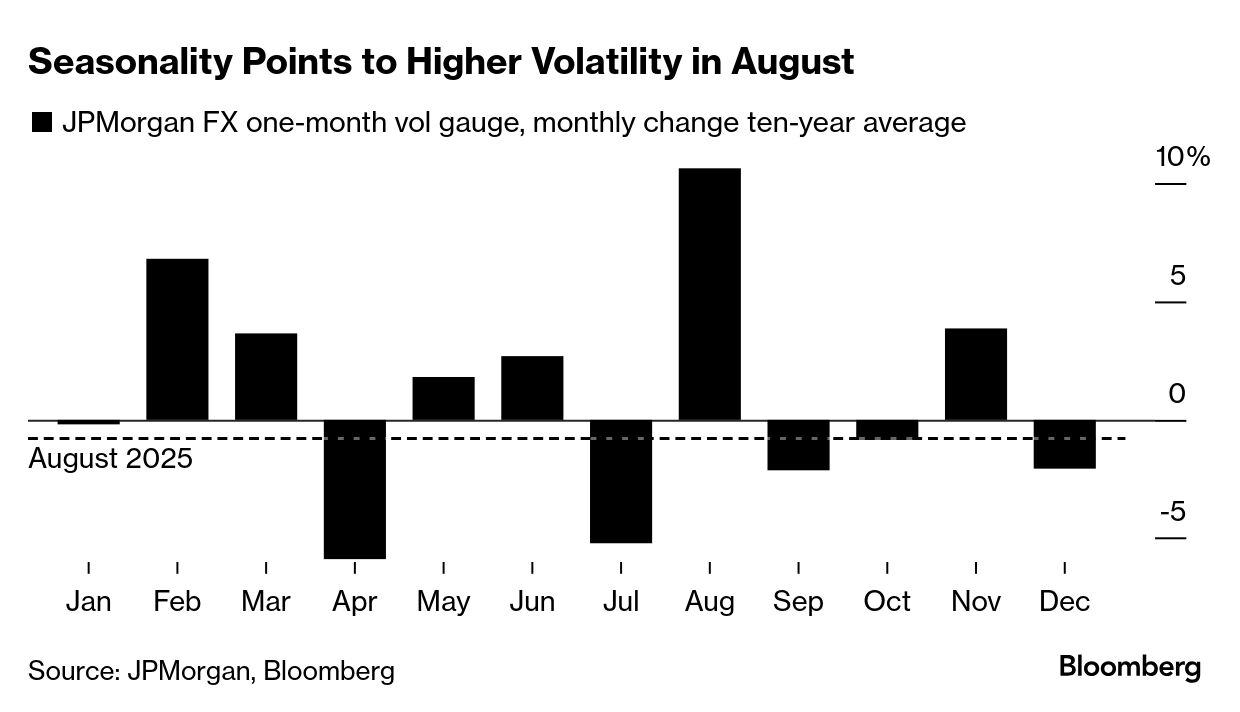
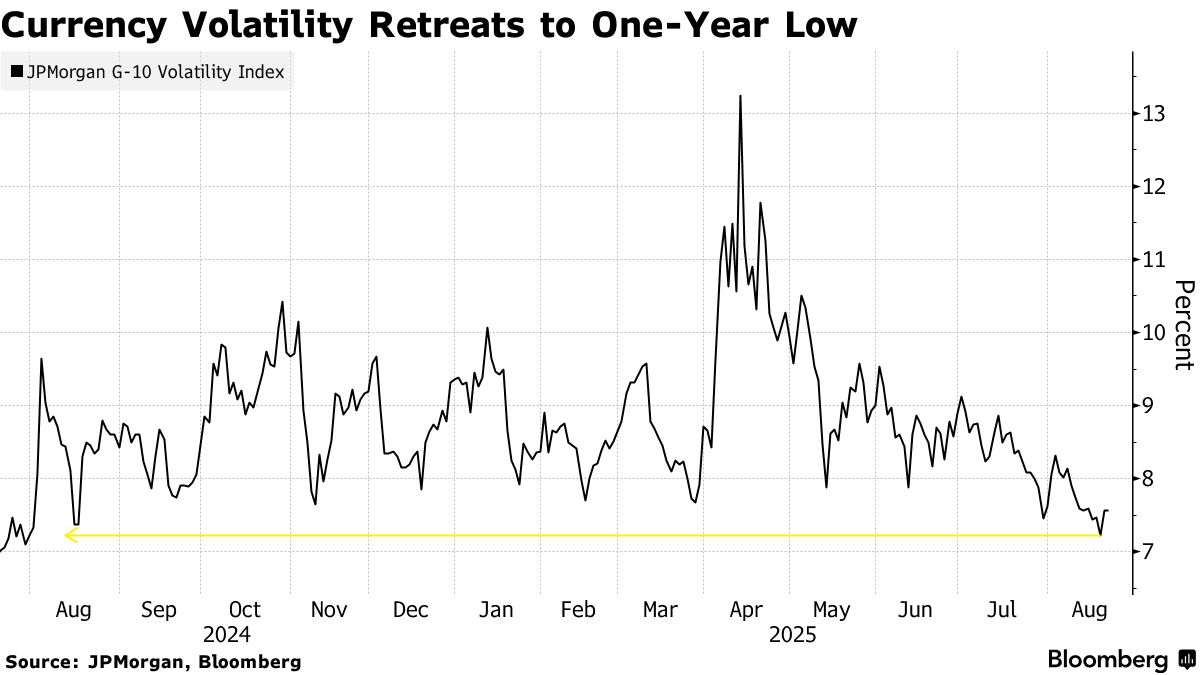
Volatility in the currency market is breaking with historical patterns this August, sliding to the lowest in a year instead of staging a usual seasonal rebound.
An extended summer lull has come as investors are waiting for clearer signals from the Federal Reserve before taking big bets in the $7.5 trillion-a-day market. While volatility has been sliding for months ever since tariff shocks roiled world trade in April, typically traders would start prepping by now for any risky events heading into the end of the year.
That usually makes August a time when the market explodes into action, with moves exacerbated by thin holiday volumes. Instead, gauges of expected swings over coming months in the world’s top currencies have slumped, leading strategists to assess just how long this calm might last.
“Subdued FX volatility in August is not the norm, despite summer markets,” Bank of America Corp. strategists Adarsh Sinha and Janice Xue wrote in a note. They expect volatility to rise into September, when a packed US data calendar and questions over Fed policy credibility could jolt global markets.
There are various factors at play in the volatility slump. For a start, it’s retreating from a two-year high hit in April’s tariff turmoil. Traders that have been profiting from shorting it since then are reluctant to change course and jeopardize those returns when liquidity is thin.
Then there’s been a breakdown of traditional correlations in the market, particularly on the use of the dollar as a haven, which is making investors more cautious. Finally US President Donald Trump’s of both economic data and Fed Chair Jerome Powell are leading to question marks over the reliability and for both statistics and policy.
Read more:
So far there is little sign of any revival in the market. Demand for options overall has slid, with volumes at their lowest since the July 4 US holiday, according to data from the Depository Trust & Clearing Corporation .
It’s a scene repeated across other asset classes, with narrow trading ranges for US Treasuries and limited volatility in stocks as indexes on both sides of the Atlantic continue a steady march to record highs.
Read more:
“Low volumes, market complacency regarding the geopolitical backdrop and the cycle, and less stretched positioning, together with seasonal factors, are helping to keep volatility subdued among FX majors,” said Roberto Cobo Garcia , head of G-10 currency strategy at BBVA SA. “Macro surprises and a shift in monetary policy expectations are needed to break the summer lull.”
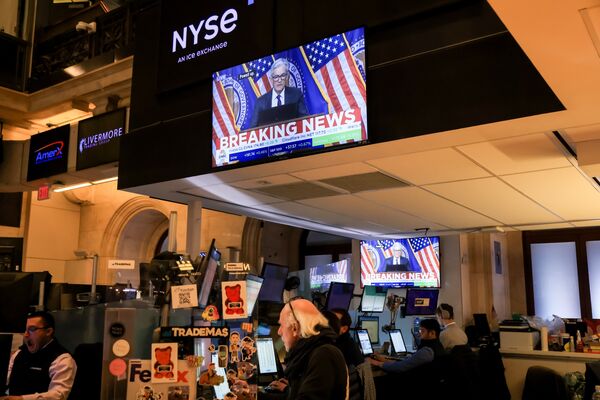
Traders will be watching the upcoming Jackson Hole of global central bankers for clues on the outlook, particularly from Powell’s speech on Friday. Then September will bring a series of key US data points and the next Fed meet, where traders are expecting the first interest-rate cut this year.
“Jackson Hole, NFP, CPI and the September FOMC are likely to be triggers for volatility in the next month or two,” said Tim Brooks , head of FX options at algorithmic trading firm .
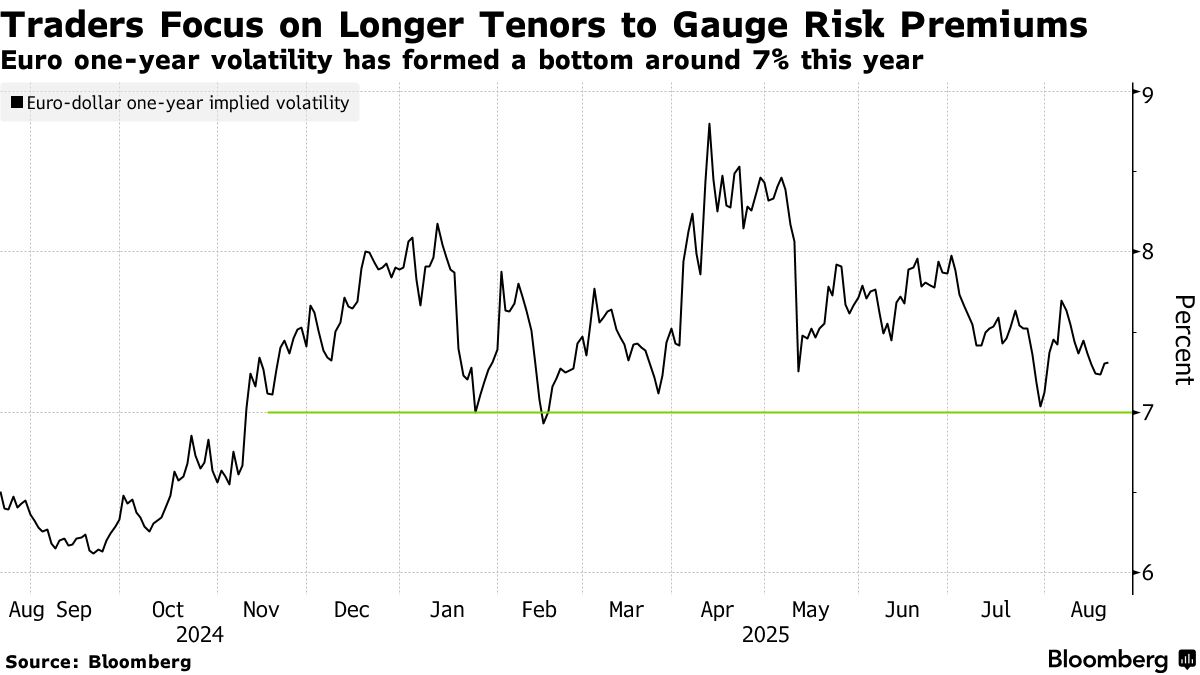
Some strategists see the current backdrop as an opportunity to buy volatility. Societe Generale SA this week recommended using swaps to bet on swings in the euro against the dollar over the next three months.
“With volatility at a floor and key US data releases ahead, investors have a compelling entry point,” strategist Olivier Korber wrote in a note.
Longer term, the question is whether currency markets could return to the low action environment seen in recent years — when was a consistently winning trade — or whether any pickup is durable.
Traders warn that US political and institutional risks could embed a greater risk premium into the dollar — at the heart of most currency trades. Hedge funds are on the lookout to resume bets on greater long term volatility if data credibility comes into question, according to people familiar with the matter.
For now, trading in major currencies such as the euro, pound and Australian dollar is remaining rangebound, despite all these risks. As Korber put it, “volatility is merely pausing.”