Taiwan’s Whipsawing Capital Flows Put Currency Stability at Risk
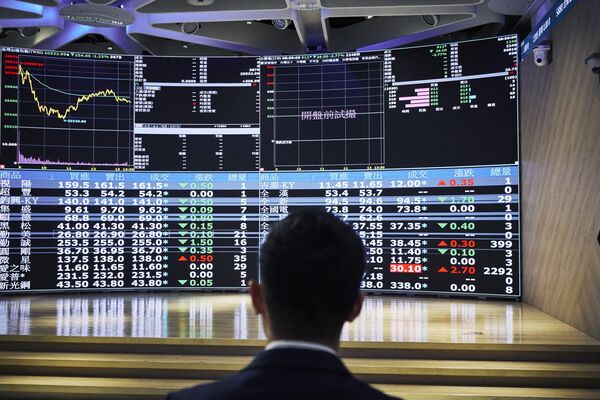
A wild divergence in Taiwan’s cross-border capital flows in the second quarter is raising the prospect of higher volatility in the local dollar.
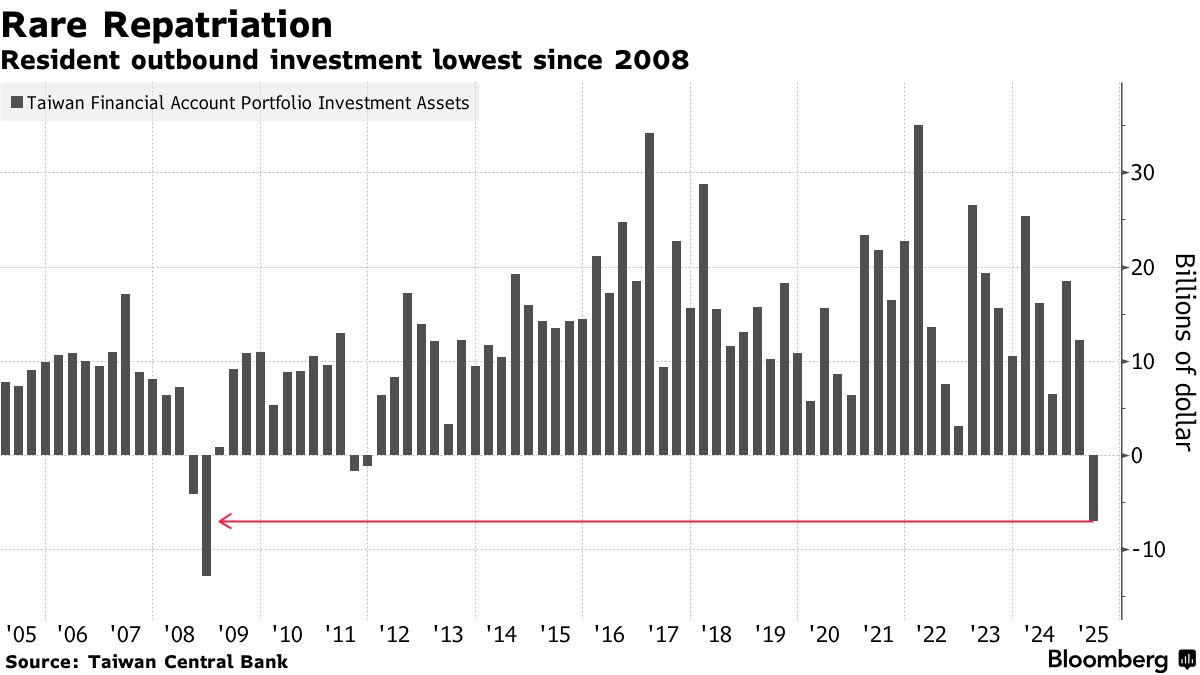
The island’s residents dumped the biggest amount of foreign securities since the financial crisis in 2008, while global funds ramped up holdings of Taiwan’s assets to a record high in the same period, second-quarter balance of payments data released by the central bank on Wednesday show. Corporate investments abroad also soared.
Erratic movement of capital raises the risk of currency volatility and may hurt Taiwan’s economy that’s already facing headwinds from US President Donald . A stable exchange rate has boosted Taiwan’s exports and enhanced the competitiveness of its world-leading chipmakers like Taiwan Semiconductor Manufacturing Co.
If tariff talks go well and Taiwan’s export momentum remains strong, while at the same time funds seek overseas opportunities again, more capital flows will be generated, said Woods Chen , chief economist from Yuanta Securities Investment Consulting.
“Increased capital flows in and out of Taiwan can potentially result in greater exchange rate volatility,” he said.
Taiwanese residents’ net foreign securities investments decreased by $7 billion in the second quarter, the biggest drop since 2008.
This shift indicates that “some funds have been repatriated to Taiwan, which is quite rare and usually only occurs during extreme market volatility such as a global financial crisis,” said Khoon Goh , head of Asia research at Australia & New Zealand Banking Group.
He noted that the capital inflow observed last quarter was likely driven by the intense market fluctuations caused by uncertainties over US tariffs, along with the rapid appreciation of the Taiwan dollar.
Taiwan’s currency posted the since the 1980s in May as exporters rushed to sell the greenback, partly on expectations the authorities will allow it to strengthen to help reach a trade deal with the US.
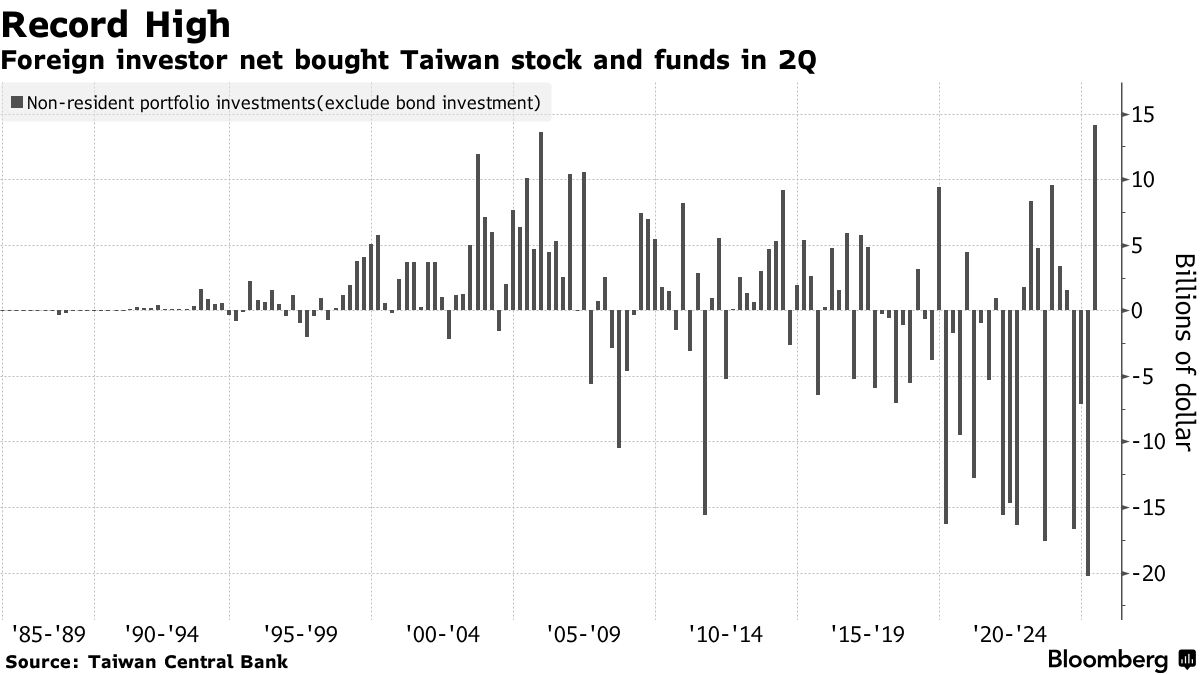
Foreign investments into Taiwan’s assets rose by a net $14.1 billion in the second quarter, the most on record. The main driver was foreign investors increasing their holdings in Taiwanese stocks.
Local equities index in the second quarter, before reaching an all-time high this week.
Shaken confidence in US dollar assets spurred by Trump’s tariff and fiscal policies led to behavioral changes in residents’ asset allocation during the second quarter, said Chen Pei-wen, deputy director of Taiwan Central Bank’s Department of Economic Research.
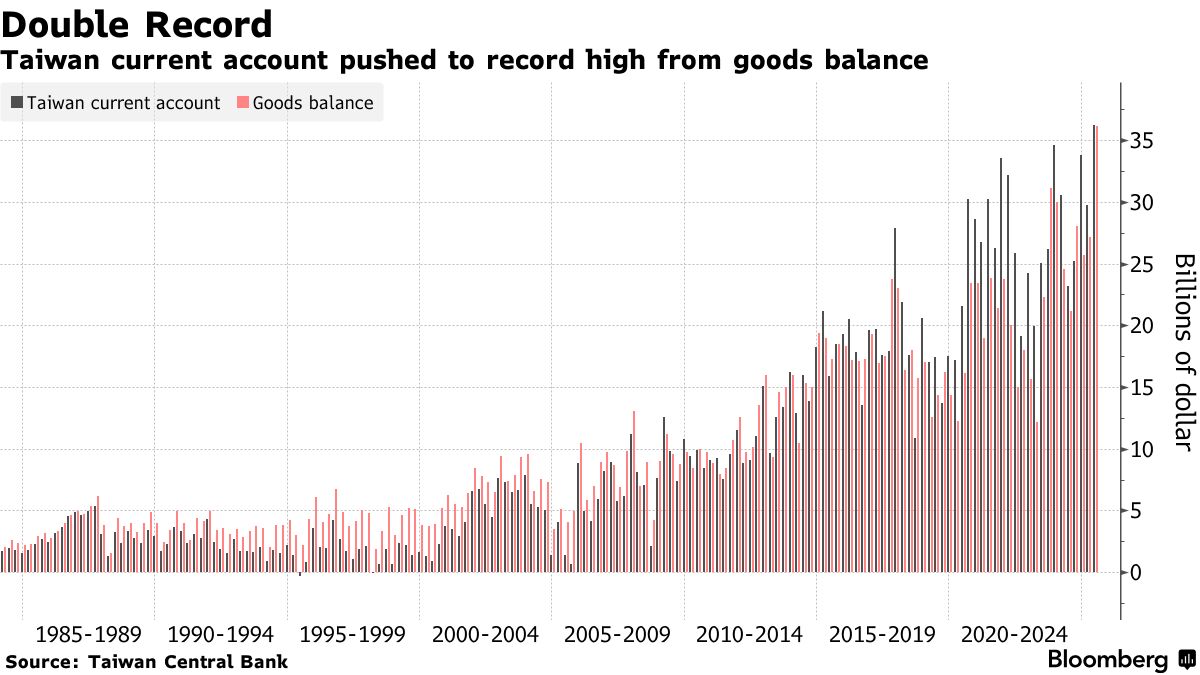
On the other hand, supported by strong technology exports, Taiwan’s current account surplus reached in the second quarter to a record high. The goods trade surplus was also a record in the same period.
According to the central bank, the main drivers were the rising demand for emerging technology applications, especially artificial intelligence, and front-loading demand by overseas manufacturers.
July was off to a pretty good start for third quarter exports, but August numbers might be showing signs of cooling off, said Lynn Song , chief Greater China economist at ING Bank NV. “We’ll have to see if the tariff hike begins to cut into export strength which will affect the current account data.”
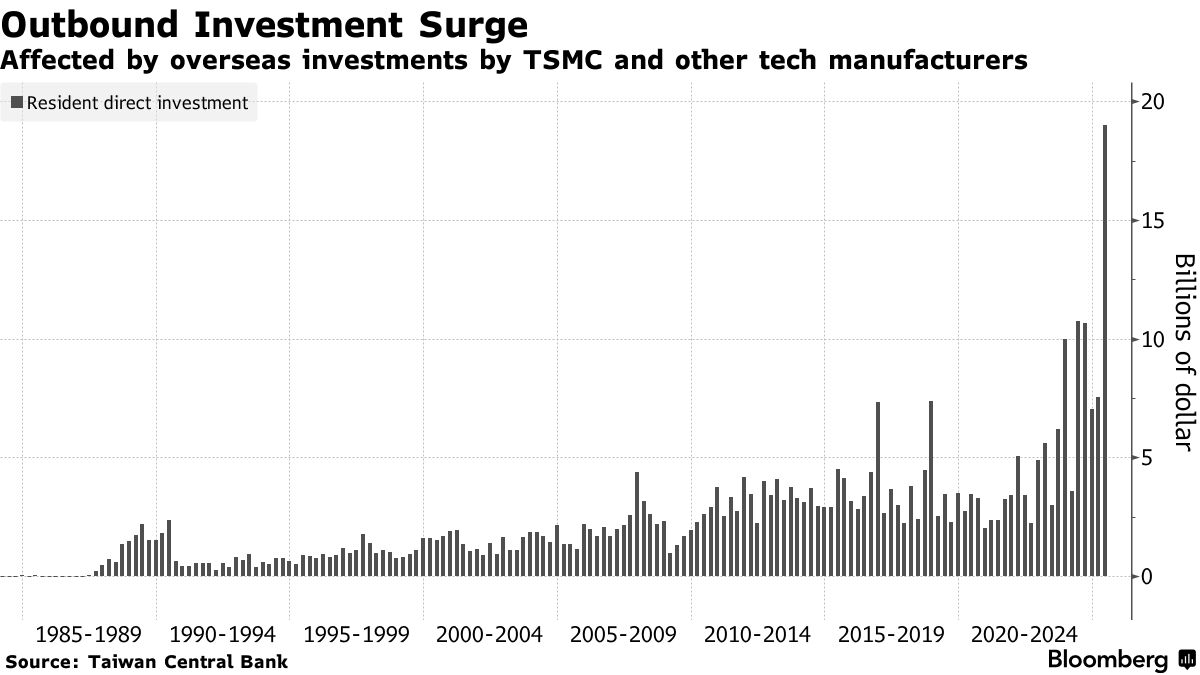
Outbound investments from Taiwanese corporates increased by a record $19 billion in the second quarter.
Taiwan’s leading tech firms have ramped up their outbound investments, with part of this increase driven by companies like TSMC responding to global supply chain adjustments, leading to more direct investments in the US and other regions, according to the central bank.
The Taiwanese dollar has weakened more than 2% versus the greenback so far this month to be the biggest loser among major emerging market currencies. The depreciation spurred by a is likely to add more focus to cross-border flows.
READ: