Yen Intervention Risk Rises After Katayama-Bessent Talks
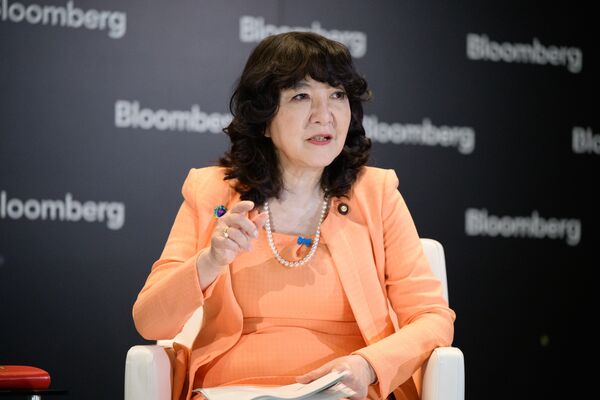
Currency traders are on high alert for intervention after further weakness in the yen and a call between Japanese Finance Minister Satsuki Katayama and US Treasury Secretary Scott Bessent .
The yen is trading at around 161.57 against the dollar, near its weakest level in four decades. Katayama reporters Tuesday that she and Bessent agreed to take “bold steps” on currencies if needed and said the nations are increasingly “aligned” on foreign exchange policy.
The currency has slumped on concerns that the Bank of Japan may not be raising borrowing costs fast enough to control inflation despite a rate hike at its policy meeting last week. The elevated price of oil due to the US-Iran war is also weighing on the yen.
“Japanese authorities may have wanted to send a message through the US-Japan talks that they are acting in coordination with the US and that the hurdle for intervention is not high,” said Takeru Yamamoto , a trader at Sumitomo Mitsui Trust Bank in New York. “While intervention concerns have intensified, the underlying yen weakness hasn’t changed, and dollar-yen could test the 162 level this week.”
Earlier this year, the US assisted Japan in propping up the yen. No actual interventions took place in the market at that time, but a checking of exchange rates by authorities including the New York Federal Reserve proved sufficient to spook speculators trying to bet against the yen.
Read:
“Given the broad strength of the dollar, unilateral intervention by Japan would likely have limited impact,” said Shogo Karitani , a strategist at Minato Bank. “If US officials also make comments indicating their understanding of Japan’s concerns, the market could react with a significant appreciation of the yen.”
Japan stepped into the currency markets in late April, spending a ¥11.73 trillion ($72.6 billion) in interventions by the government from April 28 to May 27. At the time, Bessent tacitly backed the moves, characterizing excess foreign-exchange volatility as .
The interventions and Katayama’s repeated verbal warnings have done little to sustainably support the currency. While a substantial gap in US and Japanese interest rates has contributed to the yen’s weakness, a more hawkish Federal Reserve has fueled a recent rally in the greenback, driving a deeper wedge in the currency pair.