Citi Economist Urges CFA Franc Devaluation to Spur Growth in Central Africa
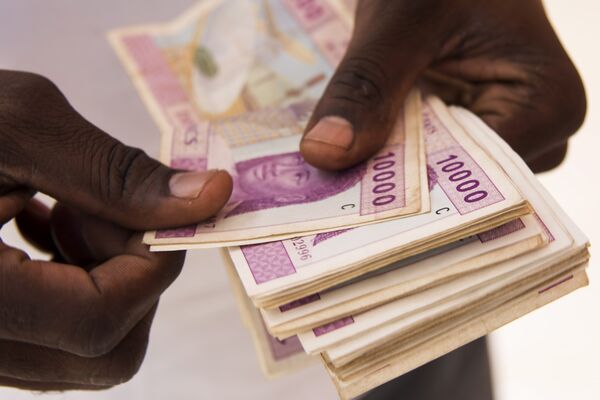
Citigroup Inc. says central Africa’s monetary bloc should consider devaluing its currency, which is pegged to the euro, in order to boost economic growth and stem a slide in reserves.
Citi’s chief Africa economist, David Cowan , said such a move would also help address other economic problems in the Economic and Monetary Community of Central Africa (CEMAC), including elevated debt levels.
The six-member bloc, comprising Cameroon, Gabon, Republic of Congo, Equatorial Guinea, Chad and Central African Republic, uses the Central African CFA franc. It last devalued in 1994, but pressure has been growing, with the regional central bank’s hard-currency reserves dropping 12.5% in 2025.
High energy prices are mitigating some pressures, given that five of the six CEMAC nations are oil exporters. However, investors see “a devaluation at the center of CEMAC’s current economic story,” Cowan wrote in a note.
“They argue, and quite plausibly, that the real solution to the problems of low growth and sustained debt levels for CEMAC member states is a devaluation of the currency and then a restructuring of debt.”
The region’s economy has grown on average by 2.8% in the last five years, compared with 4.2% for sub-Saharan Africa, according to the International Monetary Fund. Debt averaged 53% of gross domestic product but Gabon and Republic of Congo pose risks to the region with average debt of 72% of GDP and 98% respectively, IMF data show.
The CFA franc is pegged to the euro at about 655.96. A devaluation is opposed by many of the zone’s policymakers and governments agreed steps earlier this year to bolster the franc and shore up hard-currency reserves. Some of the countries have sought help from the IMF with Cameroon, Republic of Congo and Gabon expected to sign new programs .
But Cowan said resolving the economic imbalances will require more attention on the exchange rate peg and for governments to progress with reforms that the IMF will demand.
“Without this, the wider issues hanging over the sustainability of the current exchange rate peg are unlikely to die away quietly,” he added.