Pound Defies Expectations as Traders Give Burnham a Chance
In a year of political and economic upheaval for the UK, the pound has emerged as an unlikely oasis of calm, wrong-footing traders who were betting on the currency to retreat at the first sign of trouble.
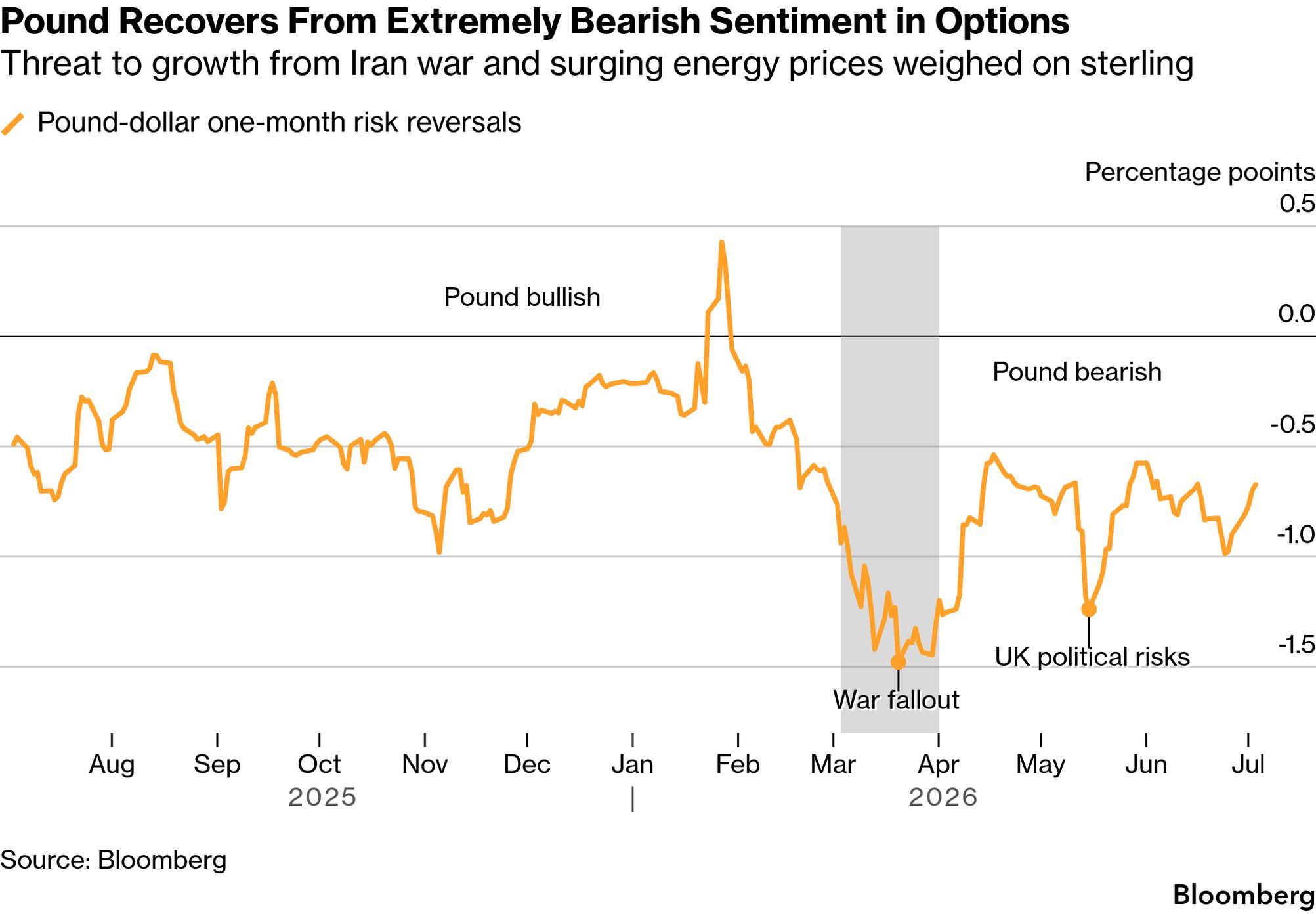
Sterling was the second best performer among G10 currencies last quarter, trailing only the Australian dollar, and it’s fourth among the group in 2026. It has weathered a Middle East war that upended interest rate expectations and threatened economic growth, as well as months of political uncertainty that’s expected to culminate with Andy Burnham becoming the country’s .
“People have had a strong bias to be short sterling for quite some time,” said Francesca Fornasari , head of currency solutions at Insight Investment, where she oversees about $80 billion in assets. “If you look at some of those longer term structural stories, I won’t say they’re great, but they’re a heck of a lot better than they’ve been.”
Analysts say multiple factors explain the pound’s relative strength. While politics has been volatile, the main players have avoided suggesting policies that would degrade government finances. Sterling has offered good value as a carry trade versus low-yielding peers, making it expensive to short, and a flurry of foreign purchases of UK companies is creating additional demand.
“The M&A boom is unlikely to be sending the sterling booming, but it may be helping in funding the UK structural current account deficit at least in the short term,” said Kevin Thozet , a portfolio adviser at Carmignac.
Investors had good reason to doubt sterling. In 2022, former Prime Minister Liz Truss proposed big tax cuts but didn’t say how she’d pay for them, sending the currency to a record low below $1.04. Before that, years of Brexit negotiations served as a major headwind. At points, analysts likened the pound to an emerging market currency.
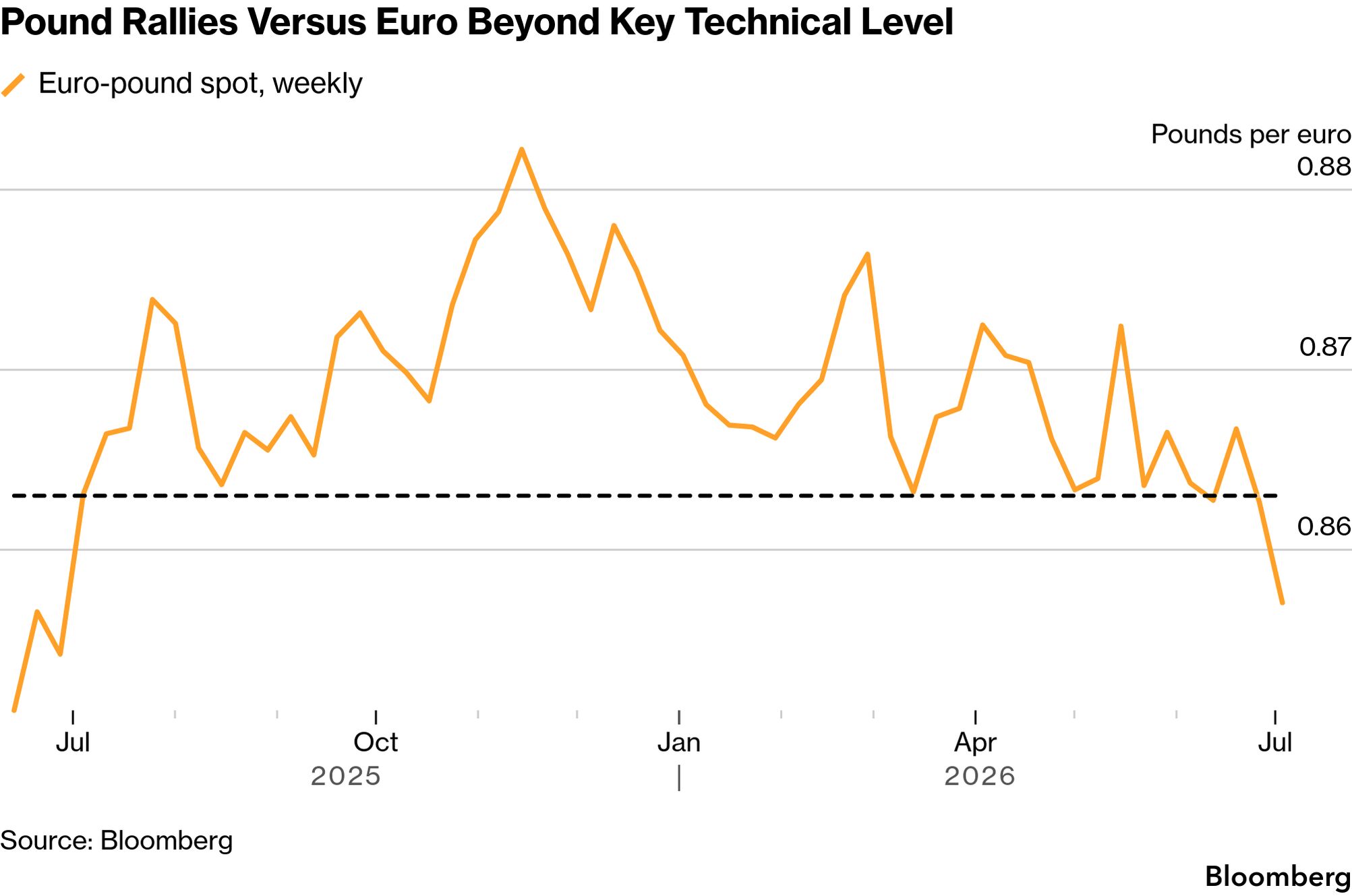
It now looks stable by comparison. Over the past year, euro-sterling — the clearest gauge of the pound’s response to domestic political uncertainty — has hovered above 0.86. In the wake of local elections in May that were disastrous for the ruling Labour Party, it was the country’s debt markets, and not the pound, that were rattled.
Mark Dowding , chief investment officer for fixed income at RBC BlueBay Asset Management, had been short the pound “given the political noise” but closed out the position following Keir Starmer’s resignation in June. “The market reaction has been surprisingly calm, and so we’ve reflected that actually, that trade isn’t getting the traction that we thought it would,” he said.
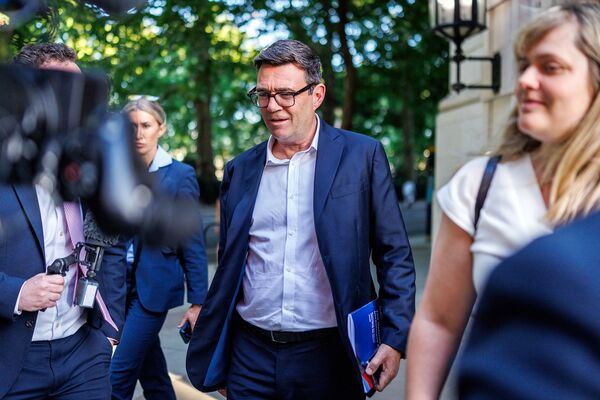
Looking ahead, politics remains a major factor. Burnham, the overwhelming favorite to replace Starmer, appeared to slight bond markets last year but has since reassured investors that he will stick to borrowing and spending limits championed by Chancellor Rachel Reeves. Who Reeves, and their positions on taxing and spending, are key questions.
“The market is on its toes waiting to hear, but we haven’t heard something negative. In fact, most statements on a high level have been respectful of fiscal discipline,” said Themistoklis Fiotakis , a strategist at Barclays Plc.
Investors are now looking for more clarity on policy. Dominic Bunning , head of G10 FX strategy at Nomura, was betting on the euro to strengthen against the pound but exited the position, citing a “lack of catalysts and general stagnation.” Bank of America Corp. took profit on an options trade last week that paid out because euro fell against sterling. According to BofA, the key risk event is the autumn budget, when Reeves’ successor will lay out their policies.
“The UK fiscal straitjacket very much limits room for maneuver, and it is hard to see any major spending plans coming through without tax rises,” said ING FX strategist Chris Turner .